Animal-assisted Therapy: The Unique Bond Between Animals and Individuals
Animal-assisted therapy (AAT) is a sophisticated and multifaceted approach that leverages the unique bond between animals and humans to support individuals with communication challenges. This blog aims to explore the technical facets of AAT, shedding light on how it aids in enhancing both verbal and non-verbal communication for those with conditions such as autism, aphasia, and other speech-related challenges.
Integration of AAT in Speech-Language Pathology
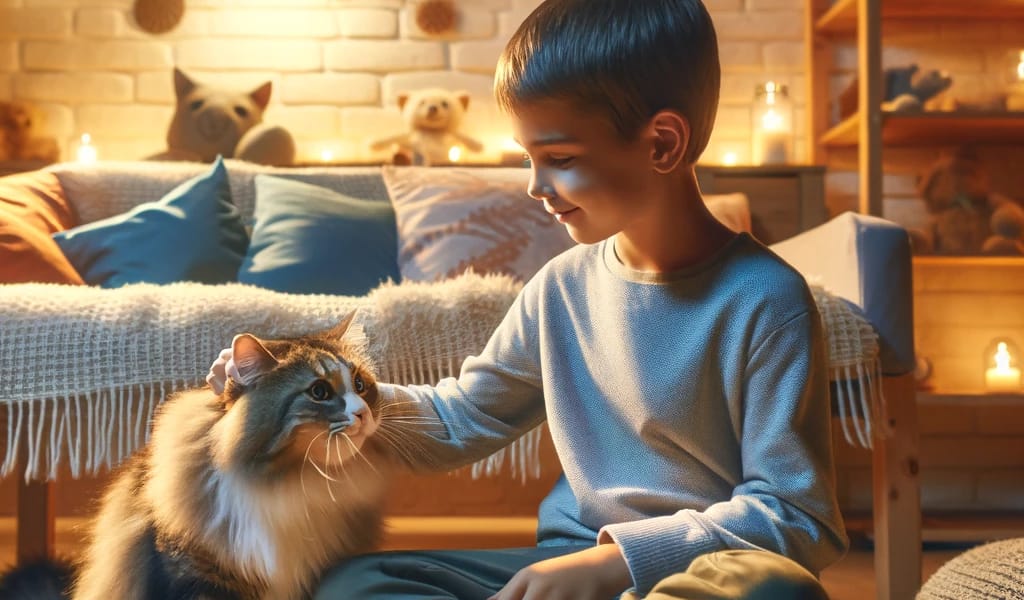
The implementation of AAT within speech-language pathology is grounded in evidence-based practices. Therapy animals, primarily dogs, horses, and even smaller pets like rabbits and guinea pigs, are integrated into therapeutic sessions designed to improve communication skills. These animals are carefully selected based on their temperament and trained to interact in a manner that supports therapeutic goals.
Mechanisms of Action
The efficacy of AAT lies in its ability to stimulate social interaction and motivation. Animals naturally facilitate a non-threatening environment, encouraging individuals to engage in communication attempts. This interaction often leads to significant improvements in joint attention, turn-taking, and initiation of communication—key components in the development of language and social skills.
Biofeedback and Emotional Regulation
A technical aspect of AAT is its use of biofeedback mechanisms. Through interactions with animals, therapists can observe and measure physiological responses in individuals, such as heart rate and stress levels. These measurements are indicative of emotional states and can guide the therapeutic process by identifying moments of increased engagement or anxiety, allowing for adjustments in real-time to maximize the therapy’s effectiveness.
Customized Therapeutic Approaches
AAT is highly individualized, with therapists tailoring sessions to meet the specific needs and goals of each participant. Techniques may include direct speech and language exercises facilitated through animal interaction, such as naming actions or objects related to the animal, following commands, or storytelling about the animal. The presence of the animal serves as a catalyst for conversation and language use, making therapy sessions more engaging and less intimidating.
Collaborative Care and Interdisciplinary Approaches
Effective AAT programs often involve a collaborative approach, incorporating insights from animal behaviorists, occupational therapists, and psychologists. This interdisciplinary strategy ensures that the therapeutic use of animals aligns with broader treatment goals, including emotional well-being, physical health, and cognitive function.
Research and Outcomes
Research in the field of AAT has documented positive outcomes, particularly in the realm of communication disorders. Studies highlight increased motivation to participate in therapy, improved attention and engagement, and enhanced social interactions both within and outside of therapy sessions. These findings underscore the potential of AAT to serve as a valuable adjunct to traditional speech-language interventions.
Conclusion
Animal-assisted therapy represents a bridge between the technical aspects of speech-language pathology and the innate human-animal bond. By incorporating AAT into therapy sessions, practitioners can create a more dynamic and effective therapeutic environment that not only addresses communication challenges but also fosters a sense of joy, motivation, and emotional connection. As research continues to evolve, the integration of AAT within speech-language pathology is poised to offer innovative solutions that cater to the diverse needs of individuals with communication disorders.
Related Articles
Subscribe to our newsletter!
A Networking Platform for the Special Needs Community